Vulnerability Scan Result

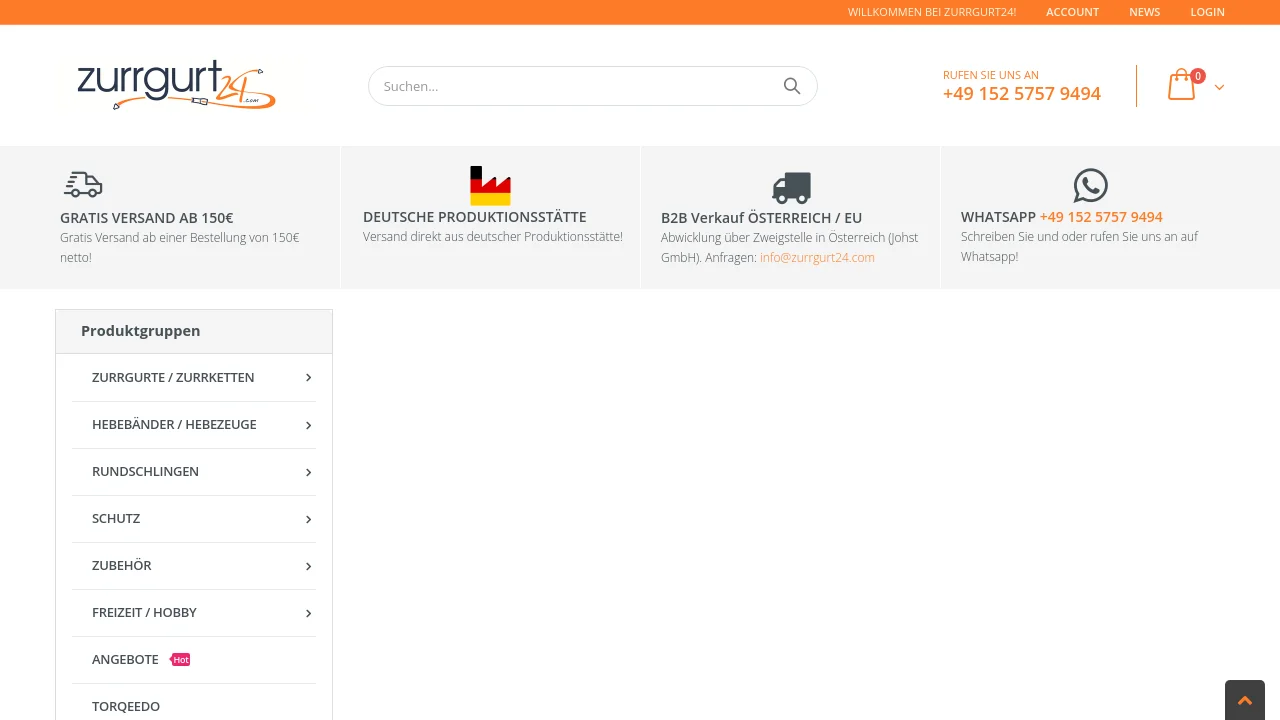
| Title: | No title found |
| Description: |
| ip_address | 142.132.244.15 |
| country | DE  |
| network_name | Hetzner Online GmbH |
| asn | AS24940 |
80/tcp | http | Caddy httpd - |
443/tcp | https | - - |
| Software / Version | Category |
|---|---|
| Amazon Web Services | PaaS |
| Caddy | Web servers |
| Dojo 1 | JavaScript libraries |
| Bootstrap 4.1.3 | UI frameworks |
| LazySizes | JavaScript libraries, Performance |
| RackCache | Caching |
| core-js 2.6.5 | JavaScript libraries |
| Go | Programming languages |
| Google Analytics GA4 | Analytics |
| jQuery 2.2.3 | JavaScript libraries |
| MailChimp | Marketing automation, Email |
| MySQL | Databases |
| Open Graph | Miscellaneous |
| parcel | Miscellaneous |
| PayPal | Payment processors |
| PHP | Programming languages |
| Ruby | Programming languages |
| Ruby on Rails | Web frameworks |
| Shopify | Ecommerce |
| DoubleClick Floodlight | Advertising |
| SWC | Miscellaneous |
| WordPress | CMS, Blogs |
| Cookie Control | Cookie compliance |
| Cookiebot 1 | Cookie compliance |
| DHL | Shipping carriers |
| reCAPTCHA | Security |
| Google Tag Manager | Tag managers |
| Lodash 4.5.1 | JavaScript libraries |
| HSTS | Security |
| Versa Commerce | Ecommerce |
| Cart Functionality | Ecommerce |
Web Application Vulnerabilities
Evidence
| CVE | CVSS | EPSS Score | EPSS Percentile | Summary |
|---|---|---|---|---|
| CVE-2019-10744 | 9.1 | 0.03254 | 0.87146 | Versions of lodash lower than 4.17.12 are vulnerable to Prototype Pollution. The function defaultsDeep could be tricked into adding or modifying properties of Object.prototype using a constructor payload. |
| CVE-2026-4800 | 8.1 | 0.00089 | 0.25381 | Impact: The fix for CVE-2021-23337 (https://github.com/advisories/GHSA-35jh-r3h4-6jhm) added validation for the variable option in _.template but did not apply the same validation to options.imports key names. Both paths flow into the same Function() constructor sink. When an application passes untrusted input as options.imports key names, an attacker can inject default-parameter expressions that execute arbitrary code at template compilation time. Additionally, _.template uses assignInWith to merge imports, which enumerates inherited properties via for..in. If Object.prototype has been polluted by any other vector, the polluted keys are copied into the imports object and passed to Function(). Patches: Users should upgrade to version 4.18.0. Workarounds: Do not pass untrusted input as key names in options.imports. Only use developer-controlled, static key names. |
| CVE-2020-8203 | 7.4 | 0.0322 | 0.87066 | Prototype pollution attack when using _.zipObjectDeep in lodash before 4.17.20. |
| CVE-2021-23337 | 7.2 | 0.04314 | 0.88911 | Lodash versions prior to 4.17.21 are vulnerable to Command Injection via the template function. |
| CVE-2025-13465 | 6.9 | 0.00029 | 0.08265 | Lodash versions 4.0.0 through 4.17.22 are vulnerable to prototype pollution in the _.unset and _.omit functions. An attacker can pass crafted paths which cause Lodash to delete methods from global prototypes. The issue permits deletion of properties but does not allow overwriting their original behavior. This issue is patched on 4.17.23 |
Vulnerability description
Outdated or vulnerable software components include versions of server-side software that are no longer supported or have known, publicly disclosed vulnerabilities. Using outdated software significantly increases the attack surface of a system and may allow unauthorized access, data leaks, or service disruptions. Vulnerabilities in these components are often well-documented and actively exploited by attackers. Without security patches or vendor support, any weaknesses remain unmitigated, exposing the application to risks. In some cases, even after patching, the reported version may remain unchanged, requiring manual verification.
Risk description
The risk is that an attacker could search for an appropriate exploit (or create one himself) for any of these vulnerabilities and use it to attack the system. Since the vulnerabilities were discovered using only version-based testing, the risk level for this finding will not exceed 'high' severity. Critical risks will be assigned to vulnerabilities identified through accurate active testing methods.
Recommendation
In order to eliminate the risk of these vulnerabilities, we recommend you check the installed software version and upgrade to the latest version.
Classification
| CWE | CWE-1035 |
| OWASP Top 10 - 2017 | |
| OWASP Top 10 - 2021 |
Evidence
| CVE | CVSS | EPSS Score | EPSS Percentile | Summary |
|---|---|---|---|---|
| CVE-2024-6531 | 6.4 | 0.00072 | 0.22588 | A vulnerability has been identified in Bootstrap that exposes users to Cross-Site Scripting (XSS) attacks. The issue is present in the carousel component, where the data-slide and data-slide-to attributes can be exploited through the href attribute of an <a> tag due to inadequate sanitization. This vulnerability could potentially enable attackers to execute arbitrary JavaScript within the victim's browser. |
Vulnerability description
Outdated or vulnerable software components include versions of server-side software that are no longer supported or have known, publicly disclosed vulnerabilities. Using outdated software significantly increases the attack surface of a system and may allow unauthorized access, data leaks, or service disruptions. Vulnerabilities in these components are often well-documented and actively exploited by attackers. Without security patches or vendor support, any weaknesses remain unmitigated, exposing the application to risks. In some cases, even after patching, the reported version may remain unchanged, requiring manual verification.
Risk description
The risk is that an attacker could search for an appropriate exploit (or create one himself) for any of these vulnerabilities and use it to attack the system. Since the vulnerabilities were discovered using only version-based testing, the risk level for this finding will not exceed 'high' severity. Critical risks will be assigned to vulnerabilities identified through accurate active testing methods.
Recommendation
In order to eliminate the risk of these vulnerabilities, we recommend you check the installed software version and upgrade to the latest version.
Classification
| CWE | CWE-1035 |
| OWASP Top 10 - 2017 | |
| OWASP Top 10 - 2021 |
Evidence
| CVE | CVSS | EPSS Score | EPSS Percentile | Summary |
|---|---|---|---|---|
| CVE-2020-11023 | 6.9 | 0.42137 | 0.97452 | In jQuery versions greater than or equal to 1.0.3 and before 3.5.0, passing HTML containing <option> elements from untrusted sources - even after sanitizing it - to one of jQuery's DOM manipulation methods (i.e. .html(), .append(), and others) may execute untrusted code. This problem is patched in jQuery 3.5.0. |
| CVE-2020-11022 | 6.9 | 0.03538 | 0.87688 | In jQuery starting with 1.12.0 and before 3.5.0, passing HTML from untrusted sources - even after sanitizing it - to one of jQuery's DOM manipulation methods (i.e. .html(), .append(), and others) may execute untrusted code. This problem is patched in jQuery 3.5.0. |
| CVE-2019-11358 | 6.1 | 0.02646 | 0.85756 | jQuery before 3.4.0, as used in Drupal, Backdrop CMS, and other products, mishandles jQuery.extend(true, {}, ...) because of Object.prototype pollution. If an unsanitized source object contained an enumerable __proto__ property, it could extend the native Object.prototype. |
| CVE-2015-9251 | 6.1 | 0.27164 | 0.96394 | jQuery before 3.0.0 is vulnerable to Cross-site Scripting (XSS) attacks when a cross-domain Ajax request is performed without the dataType option, causing text/javascript responses to be executed. |
Vulnerability description
Outdated or vulnerable software components include versions of server-side software that are no longer supported or have known, publicly disclosed vulnerabilities. Using outdated software significantly increases the attack surface of a system and may allow unauthorized access, data leaks, or service disruptions. Vulnerabilities in these components are often well-documented and actively exploited by attackers. Without security patches or vendor support, any weaknesses remain unmitigated, exposing the application to risks. In some cases, even after patching, the reported version may remain unchanged, requiring manual verification.
Risk description
The risk is that an attacker could search for an appropriate exploit (or create one himself) for any of these vulnerabilities and use it to attack the system. Since the vulnerabilities were discovered using only version-based testing, the risk level for this finding will not exceed 'high' severity. Critical risks will be assigned to vulnerabilities identified through accurate active testing methods.
Recommendation
In order to eliminate the risk of these vulnerabilities, we recommend you check the installed software version and upgrade to the latest version.
Classification
| CWE | CWE-1035 |
| OWASP Top 10 - 2017 | |
| OWASP Top 10 - 2021 |
Evidence
| URL | Evidence |
|---|---|
| https://www.zurrgurt24.com/ | Response does not include the HTTP Content-Security-Policy security header or meta tag |
Vulnerability description
We noticed that the target application lacks the Content-Security-Policy (CSP) header in its HTTP responses. The CSP header is a security measure that instructs web browsers to enforce specific security rules, effectively preventing the exploitation of Cross-Site Scripting (XSS) vulnerabilities.
Risk description
The risk is that if the target application is vulnerable to XSS, lack of this header makes it easily exploitable by attackers.
Recommendation
Configure the Content-Security-Header to be sent with each HTTP response in order to apply the specific policies needed by the application.
Classification
| CWE | CWE-1021 |
| OWASP Top 10 - 2017 | |
| OWASP Top 10 - 2021 |
Evidence
Vulnerability description
We found the robots.txt on the target server. This file instructs web crawlers what URLs and endpoints of the web application they can visit and crawl. Website administrators often misuse this file while attempting to hide some web pages from the users.
Risk description
There is no particular security risk in having a robots.txt file. However, it's important to note that adding endpoints in it should not be considered a security measure, as this file can be directly accessed and read by anyone.
Recommendation
We recommend you to manually review the entries from robots.txt and remove the ones which lead to sensitive locations in the website (ex. administration panels, configuration files, etc).
Evidence
| URL | Evidence |
|---|---|
| https://www.zurrgurt24.com/ | Response headers do not include the Referrer-Policy HTTP security header as well as the |
Vulnerability description
We noticed that the target application's server responses lack the Referrer-Policy HTTP header, which controls how much referrer information the browser will send with each request originated from the current web application.
Risk description
The risk is that if a user visits a web page (e.g. "http://example.com/pricing/") and clicks on a link from that page going to e.g. "https://www.google.com", the browser will send to Google the full originating URL in the `Referer` header, assuming the Referrer-Policy header is not set. The originating URL could be considered sensitive information and it could be used for user tracking.
Recommendation
The Referrer-Policy header should be configured on the server side to avoid user tracking and inadvertent information leakage. The value `no-referrer` of this header instructs the browser to omit the Referer header entirely.
Classification
| CWE | CWE-693 |
| OWASP Top 10 - 2017 | |
| OWASP Top 10 - 2021 |
Evidence
| Software / Version | Category |
|---|---|
| Amazon Web Services | PaaS |
| Caddy | Web servers |
| Dojo 1 | JavaScript libraries |
| Bootstrap 4.1.3 | UI frameworks |
| LazySizes | JavaScript libraries, Performance |
| RackCache | Caching |
| core-js 2.6.5 | JavaScript libraries |
| Go | Programming languages |
| Google Analytics GA4 | Analytics |
| jQuery 2.2.3 | JavaScript libraries |
| MailChimp | Marketing automation, Email |
| MySQL | Databases |
| Open Graph | Miscellaneous |
| parcel | Miscellaneous |
| PayPal | Payment processors |
| PHP | Programming languages |
| Ruby | Programming languages |
| Ruby on Rails | Web frameworks |
| Shopify | Ecommerce |
| DoubleClick Floodlight | Advertising |
| SWC | Miscellaneous |
| WordPress | CMS, Blogs |
| Cookie Control | Cookie compliance |
| Cookiebot 1 | Cookie compliance |
| DHL | Shipping carriers |
| reCAPTCHA | Security |
| Google Tag Manager | Tag managers |
| Lodash 4.5.1 | JavaScript libraries |
| HSTS | Security |
| Versa Commerce | Ecommerce |
| Cart Functionality | Ecommerce |
Vulnerability description
We noticed that server software and technology details are exposed, potentially aiding attackers in tailoring specific exploits against identified systems and versions.
Risk description
The risk is that an attacker could use this information to mount specific attacks against the identified software type and version.
Recommendation
We recommend you to eliminate the information which permits the identification of software platform, technology, server and operating system: HTTP server headers, HTML meta information, etc.
Classification
| CWE | CWE-200 |
| OWASP Top 10 - 2017 | |
| OWASP Top 10 - 2021 |
Evidence
| URL | Method | Parameters | Evidence |
|---|---|---|---|
| https://www.zurrgurt24.com/ | GET | Headers: User-Agent=Mozilla/5.0 (Windows NT 10.0; Win64; x64) AppleWebKit/537.36 (KHTML, like Gecko) Chrome/108.0.0.0 Safari/537.36 | Email Address: mllegeorgesand@gmail.com email@beispiel.com info@zurrgurt24.com |
Vulnerability description
We noticed that this web application exposes email addresses, which might be unintended. While not inherently a vulnerability, this information could be leveraged in social engineering or spam related activities.
Risk description
The risk is that exposed email addresses within the application could be accessed by unauthorized parties. This could lead to privacy violations, spam, phishing attacks, or other forms of misuse.
Recommendation
Compartmentalize the application to have 'safe' areas where trust boundaries can be unambiguously drawn. Do not allow email addresses to go outside of the trust boundary, and always be careful when interfacing with a compartment outside of the safe area.
Classification
| CWE | CWE-200 |
| OWASP Top 10 - 2017 | |
| OWASP Top 10 - 2021 |
Vulnerability description
We have noticed that the server is missing the security.txt file, which is considered a good practice for web security. It provides a standardized way for security researchers and the public to report security vulnerabilities or concerns by outlining the preferred method of contact and reporting procedures.
Risk description
There is no particular risk in not having a security.txt file for your server. However, this file is important because it offers a designated channel for reporting vulnerabilities and security issues.
Recommendation
We recommend you to implement the security.txt file according to the standard, in order to allow researchers or users report any security issues they find, improving the defensive mechanisms of your server.
Classification
| CWE | CWE-1188 |
| OWASP Top 10 - 2017 | |
| OWASP Top 10 - 2021 |
Infrastructure Vulnerabilities
Evidence
| Operating System | Accuracy |
|---|---|
| Linux 5.0 - 5.4 | 96% |
Vulnerability description
OS Detection
Evidence
| Domain Queried | DNS Record Type | Description | Value |
|---|---|---|---|
| www.zurrgurt24.com | A | IPv4 address | 142.132.244.15 |
| www.zurrgurt24.com | CNAME | Canonical name | cluster.versacommerce.de |
Risk description
An initial step for an attacker aiming to learn about an organization involves conducting searches on its domain names to uncover DNS records associated with the organization. This strategy aims to amass comprehensive insights into the target domain, enabling the attacker to outline the organization's external digital landscape. This gathered intelligence may subsequently serve as a foundation for launching attacks, including those based on social engineering techniques. DNS records pointing to services or servers that are no longer in use can provide an attacker with an easy entry point into the network.
Recommendation
We recommend reviewing all DNS records associated with the domain and identifying and removing unused or obsolete records.
Evidence
| Software / Version | Category |
|---|---|
| Versa Commerce | Ecommerce |
| WordPress | CMS, Blogs |
| MySQL | Databases |
| PHP | Programming languages |
| Ruby | Programming languages |
| Go | Programming languages |
| Ruby on Rails | Web frameworks |
| RackCache | Caching |
| DHL | Shipping carriers |
| Amazon Web Services | PaaS |
| Caddy | Web servers |
| reCAPTCHA | Security |
| MailChimp | Marketing automation, Email |
| jQuery | JavaScript libraries |
| Google Tag Manager | Tag managers |
| Google Analytics GA4 | Analytics |
| Cookiebot | Cookie compliance |
| DoubleClick Floodlight | Advertising |
| HSTS | Security |
Vulnerability description
We noticed that server software and technology details are exposed, potentially aiding attackers in tailoring specific exploits against identified systems and versions.
Risk description
The risk is that an attacker could use this information to mount specific attacks against the identified software type and version.
Recommendation
We recommend you to eliminate the information which permits the identification of software platform, technology, server and operating system: HTTP server headers, HTML meta information, etc.