Vulnerability Scan Result

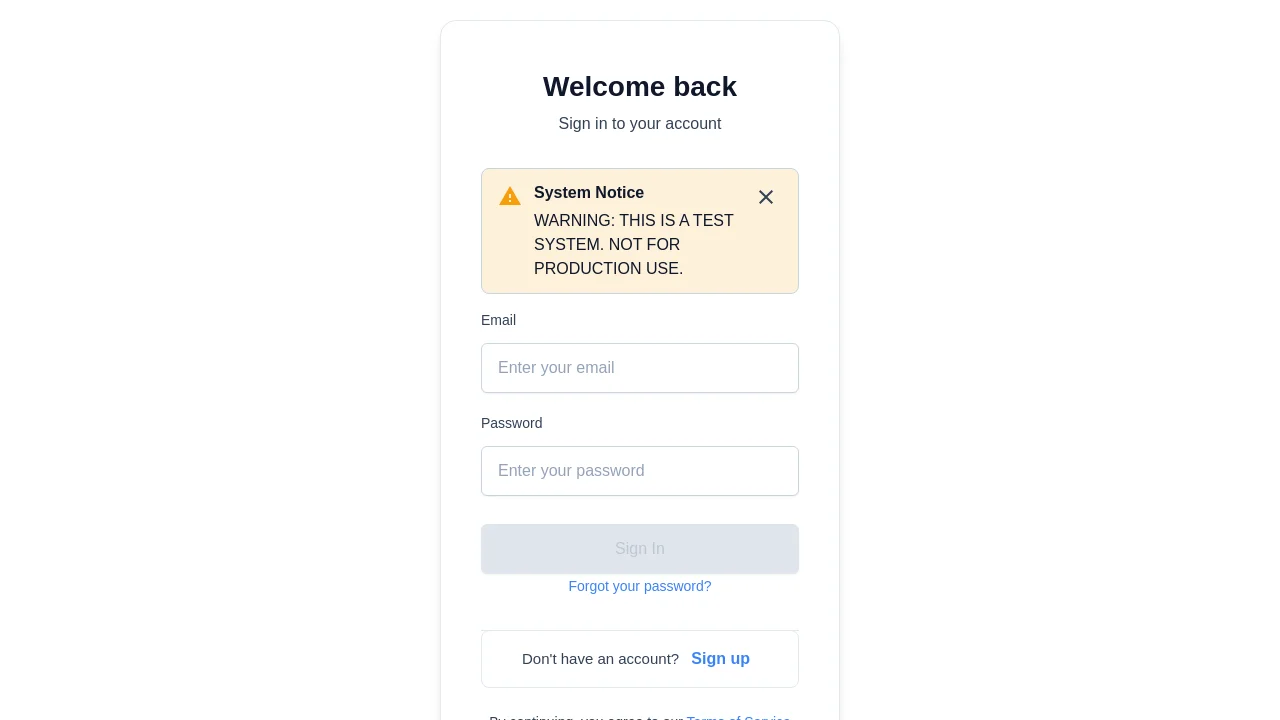
| Title: | AI Call Control |
| Description: | No description found |
| ip_address | 173.231.2.200 |
| country | US  |
| network_name | WebNX, Inc. |
| asn | AS18450 |
80/tcp | http | Apache httpd 2.4.65 |
443/tcp | https | Apache httpd 2.4.65 |
5060/tcp | sip-proxy | FreeSWITCH mod_sofia 1.10.12-release+git~20240802T210227Z~a88d069d6f~64bit |
| Software / Version | Category |
|---|---|
| Debian | Operating systems |
| Emotion | JavaScript frameworks, Development |
| Apache HTTP Server 2.4.65 | Web servers |
| Material UI | UI frameworks |
| Next.js | JavaScript frameworks, Web frameworks, Web servers, Static site generator |
| Next.js App Router | JavaScript frameworks, Web servers |
| React | JavaScript frameworks |
| Webpack | Miscellaneous |
| Priority Hints | Performance |
| HSTS | Security |
Web Application Vulnerabilities
Evidence
| CVE | CVSS | EPSS Score | EPSS Percentile | Summary |
|---|---|---|---|---|
| CVE-2025-59775 | 7.5 | 0.00071 | 0.21751 | Server-Side Request Forgery (SSRF) vulnerability in Apache HTTP Server on Windows with AllowEncodedSlashes On and MergeSlashes Off allows to potentially leak NTLM hashes to a malicious server via SSRF and malicious requests or content Users are recommended to upgrade to version 2.4.66, which fixes the issue. |
| CVE-2025-55753 | 7.5 | 0.00104 | 0.283 | An integer overflow in the case of failed ACME certificate renewal leads, after a number of failures (~30 days in default configurations), to the backoff timer becoming 0. Attempts to renew the certificate then are repeated without delays until it succeeds. This issue affects Apache HTTP Server: from 2.4.30 before 2.4.66. Users are recommended to upgrade to version 2.4.66, which fixes the issue. |
| CVE-2025-65082 | 6.5 | 0.00164 | 0.37443 | Improper Neutralization of Escape, Meta, or Control Sequences vulnerability in Apache HTTP Server through environment variables set via the Apache configuration unexpectedly superseding variables calculated by the server for CGI programs. This issue affects Apache HTTP Server from 2.4.0 through 2.4.65. Users are recommended to upgrade to version 2.4.66 which fixes the issue. |
| CVE-2025-66200 | 5.4 | 0.0007 | 0.21511 | mod_userdir+suexec bypass via AllowOverride FileInfo vulnerability in Apache HTTP Server. Users with access to use the RequestHeader directive in htaccess can cause some CGI scripts to run under an unexpected userid. This issue affects Apache HTTP Server: from 2.4.7 through 2.4.65. Users are recommended to upgrade to version 2.4.66, which fixes the issue. |
Vulnerability description
Outdated or vulnerable software components include versions of server-side software that are no longer supported or have known, publicly disclosed vulnerabilities. Using outdated software significantly increases the attack surface of a system and may allow unauthorized access, data leaks, or service disruptions. Vulnerabilities in these components are often well-documented and actively exploited by attackers. Without security patches or vendor support, any weaknesses remain unmitigated, exposing the application to risks. In some cases, even after patching, the reported version may remain unchanged, requiring manual verification.
Risk description
The risk is that an attacker could search for an appropriate exploit (or create one himself) for any of these vulnerabilities and use it to attack the system. Since the vulnerabilities were discovered using only version-based testing, the risk level for this finding will not exceed 'high' severity. Critical risks will be assigned to vulnerabilities identified through accurate active testing methods.
Recommendation
In order to eliminate the risk of these vulnerabilities, we recommend you check the installed software version and upgrade to the latest version.
Classification
| CWE | CWE-1035 |
| OWASP Top 10 - 2017 | |
| OWASP Top 10 - 2021 |
Evidence
| Software / Version | Category |
|---|---|
| Debian | Operating systems |
| Emotion | JavaScript frameworks, Development |
| Apache HTTP Server 2.4.65 | Web servers |
| Material UI | UI frameworks |
| Next.js | JavaScript frameworks, Web frameworks, Web servers, Static site generator |
| Next.js App Router | JavaScript frameworks, Web servers |
| React | JavaScript frameworks |
| Webpack | Miscellaneous |
| Priority Hints | Performance |
| HSTS | Security |
Vulnerability description
We noticed that server software and technology details are exposed, potentially aiding attackers in tailoring specific exploits against identified systems and versions.
Risk description
The risk is that an attacker could use this information to mount specific attacks against the identified software type and version.
Recommendation
We recommend you to eliminate the information which permits the identification of software platform, technology, server and operating system: HTTP server headers, HTML meta information, etc.
Classification
| CWE | CWE-200 |
| OWASP Top 10 - 2017 | |
| OWASP Top 10 - 2021 |
Evidence
| URL | Evidence |
|---|---|
| https://staging.aicallcontrol.com/ | Response does not include the HTTP Content-Security-Policy security header or meta tag |
Vulnerability description
We noticed that the target application lacks the Content-Security-Policy (CSP) header in its HTTP responses. The CSP header is a security measure that instructs web browsers to enforce specific security rules, effectively preventing the exploitation of Cross-Site Scripting (XSS) vulnerabilities.
Risk description
The risk is that if the target application is vulnerable to XSS, lack of this header makes it easily exploitable by attackers.
Recommendation
Configure the Content-Security-Header to be sent with each HTTP response in order to apply the specific policies needed by the application.
Classification
| CWE | CWE-1021 |
| OWASP Top 10 - 2017 | |
| OWASP Top 10 - 2021 |
Evidence
| URL | Method | Summary |
|---|---|---|
| https://staging.aicallcontrol.com/ | OPTIONS | We did a HTTP OPTIONS request. The server responded with a 405 status code and the header: `Allow: GET, HEAD` Request / Response |
Vulnerability description
We have noticed that the webserver responded with an Allow HTTP header when an OPTIONS HTTP request was sent. This method responds to requests by providing information about the methods available for the target resource.
Risk description
The only risk this might present nowadays is revealing debug HTTP methods that can be used on the server. This can present a danger if any of those methods can lead to sensitive information, like authentication information, secret keys.
Recommendation
We recommend that you check for unused HTTP methods or even better, disable the OPTIONS method. This can be done using your webserver configuration.
Classification
| CWE | CWE-16 |
| OWASP Top 10 - 2017 | |
| OWASP Top 10 - 2021 |
Vulnerability description
We have noticed that the server is missing the security.txt file, which is considered a good practice for web security. It provides a standardized way for security researchers and the public to report security vulnerabilities or concerns by outlining the preferred method of contact and reporting procedures.
Risk description
There is no particular risk in not having a security.txt file for your server. However, this file is important because it offers a designated channel for reporting vulnerabilities and security issues.
Recommendation
We recommend you to implement the security.txt file according to the standard, in order to allow researchers or users report any security issues they find, improving the defensive mechanisms of your server.
Classification
| CWE | CWE-1188 |
| OWASP Top 10 - 2017 | |
| OWASP Top 10 - 2021 |
Infrastructure Vulnerabilities
Evidence
| CVE | CVSS | EPSS Score | EPSS Percentile | CISA KEV | Summary |
|---|---|---|---|---|---|
| CVE-2025-59775 | 7.5 | 0.00071 | 0.21751 | No | Server-Side Request Forgery (SSRF) vulnerability in Apache HTTP Server on Windows with AllowEncodedSlashes On and MergeSlashes Off allows to potentially leak NTLM hashes to a malicious server via SSRF and malicious requests or content Users are recommended to upgrade to version 2.4.66, which fixes the issue. |
| CVE-2025-55753 | 7.5 | 0.00104 | 0.283 | No | An integer overflow in the case of failed ACME certificate renewal leads, after a number of failures (~30 days in default configurations), to the backoff timer becoming 0. Attempts to renew the certificate then are repeated without delays until it succeeds. This issue affects Apache HTTP Server: from 2.4.30 before 2.4.66. Users are recommended to upgrade to version 2.4.66, which fixes the issue. |
| CVE-2025-65082 | 6.5 | 0.00164 | 0.37443 | No | Improper Neutralization of Escape, Meta, or Control Sequences vulnerability in Apache HTTP Server through environment variables set via the Apache configuration unexpectedly superseding variables calculated by the server for CGI programs. This issue affects Apache HTTP Server from 2.4.0 through 2.4.65. Users are recommended to upgrade to version 2.4.66 which fixes the issue. |
| CVE-2025-66200 | 5.4 | 0.0007 | 0.21511 | No | mod_userdir+suexec bypass via AllowOverride FileInfo vulnerability in Apache HTTP Server. Users with access to use the RequestHeader directive in htaccess can cause some CGI scripts to run under an unexpected userid. This issue affects Apache HTTP Server: from 2.4.7 through 2.4.65. Users are recommended to upgrade to version 2.4.66, which fixes the issue. |
Vulnerability description
Vulnerabilities found for Apache HTTP Server 2.4.65
Risk description
These vulnerabilities expose the affected applications to the risk of unauthorized access to confidential data and possibly to denial of service attacks. An attacker could search for an appropriate exploit (or create one) for any of these vulnerabilities and use it to attack the system. Notes: - The vulnerabilities are identified based on the server's version.; - Only the first 5 vulnerabilities with the highest risk are shown for each port.; Since the vulnerabilities were discovered using only version-based testing, the risk level for this finding will not exceed "high" severity. Critical risks will be assigned to vulnerabilities identified through accurate active testing methods.
Recommendation
We recommend you to upgrade the affected software to the latest version in order to eliminate the risks imposed by these vulnerabilities.
Evidence
| Domain Queried | DNS Record Type | Description | Value |
|---|---|---|---|
| staging.aicallcontrol.com | A | IPv4 address | 173.231.2.200 |
Risk description
An initial step for an attacker aiming to learn about an organization involves conducting searches on its domain names to uncover DNS records associated with the organization. This strategy aims to amass comprehensive insights into the target domain, enabling the attacker to outline the organization's external digital landscape. This gathered intelligence may subsequently serve as a foundation for launching attacks, including those based on social engineering techniques. DNS records pointing to services or servers that are no longer in use can provide an attacker with an easy entry point into the network.
Recommendation
We recommend reviewing all DNS records associated with the domain and identifying and removing unused or obsolete records.
Evidence
| Operating System | Accuracy |
|---|---|
| Linux 5.0 - 5.4 | 100% |
Vulnerability description
OS Detection
Evidence
| Software / Version | Category |
|---|---|
| Next.js | JavaScript frameworks, Web frameworks, Web servers, Static site generator |
| Debian | Operating systems |
| Material UI | UI frameworks |
| React | JavaScript frameworks |
| Apache HTTP Server 2.4.65 | Web servers |
| HSTS | Security |
| Webpack | Miscellaneous |
Vulnerability description
We noticed that server software and technology details are exposed, potentially aiding attackers in tailoring specific exploits against identified systems and versions.
Risk description
The risk is that an attacker could use this information to mount specific attacks against the identified software type and version.
Recommendation
We recommend you to eliminate the information which permits the identification of software platform, technology, server and operating system: HTTP server headers, HTML meta information, etc.