Vulnerability Scan Result

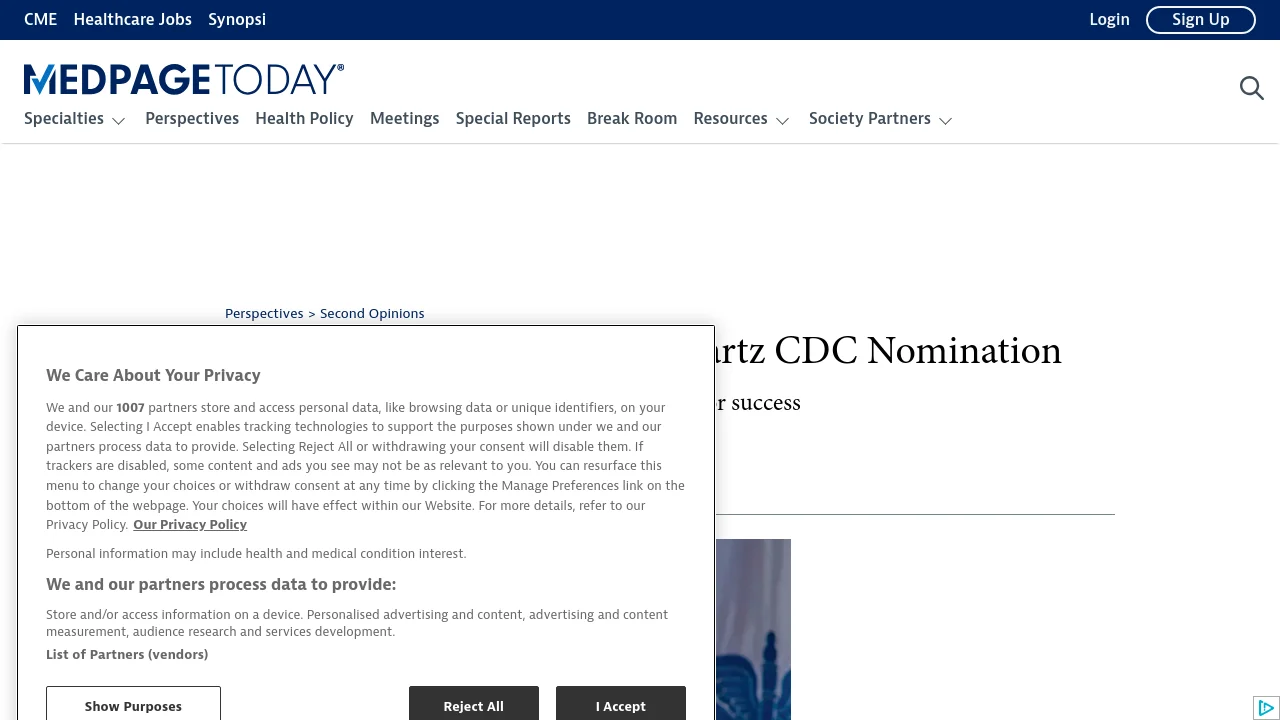
| Title: | Access Denied |
| Description: | No description found |
| ip_address | 2.16.110.42 |
| country | DE  |
| network_name | Akamai International B.V. |
| asn | AS20940 |
| ip_address | 2.16.110.80 |
| country | DE |
| network_name | Akamai International B.V. |
| asn | AS20940 |
80/tcp | http | AkamaiGHost - |
443/tcp | https | - - |
| Software / Version | Category |
|---|---|
| Akamai | CDN |
| AppNexus | Advertising |
| Amazon Web Services | PaaS |
| Linkedin Insight Tag | Analytics |
| Chartbeat | Analytics |
| Google Publisher Tag | Advertising |
| Disqus | Comment systems |
| DoubleVerify | Advertising, Analytics |
| Facebook Pixel 2.9.313 | Analytics |
| Adobe Fonts | Font scripts |
| core-js 3.32.2 | JavaScript libraries |
| Google Analytics | Analytics |
| Integral Ad Science | Advertising |
| MySQL | Databases |
| Open Graph | Miscellaneous |
| PHP | Programming languages |
| Prebid 10.23.0 | Advertising |
| Rubicon Project | Advertising |
| Sectigo | SSL/TLS certificate authorities |
| DoubleClick Floodlight | Advertising |
| Typekit | Font scripts |
| VWO | Analytics, A/B Testing |
| Priority Hints | Performance |
| WordPress | CMS, Blogs |
| Ad Lightning | Advertising |
| Akamai Bot Manager | Security |
| reCAPTCHA | Security |
| Google Tag Manager | Tag managers |
| OneTrust | Cookie compliance |
| Outbrain | Widgets, Advertising |
| Pushly | Widgets |
| RSS | Miscellaneous |
| Sailthru | Marketing automation, Email, Personalisation |
| Varnish | Caching |
Web Application Vulnerabilities
Evidence
| Software / Version | Category |
|---|---|
| Akamai | CDN |
| AppNexus | Advertising |
| Amazon Web Services | PaaS |
| Linkedin Insight Tag | Analytics |
| Chartbeat | Analytics |
| Google Publisher Tag | Advertising |
| Disqus | Comment systems |
| DoubleVerify | Advertising, Analytics |
| Facebook Pixel 2.9.313 | Analytics |
| Adobe Fonts | Font scripts |
| core-js 3.32.2 | JavaScript libraries |
| Google Analytics | Analytics |
| Integral Ad Science | Advertising |
| MySQL | Databases |
| Open Graph | Miscellaneous |
| PHP | Programming languages |
| Prebid 10.23.0 | Advertising |
| Rubicon Project | Advertising |
| Sectigo | SSL/TLS certificate authorities |
| DoubleClick Floodlight | Advertising |
| Typekit | Font scripts |
| VWO | Analytics, A/B Testing |
| Priority Hints | Performance |
| WordPress | CMS, Blogs |
| Ad Lightning | Advertising |
| Akamai Bot Manager | Security |
| reCAPTCHA | Security |
| Google Tag Manager | Tag managers |
| OneTrust | Cookie compliance |
| Outbrain | Widgets, Advertising |
| Pushly | Widgets |
| RSS | Miscellaneous |
| Sailthru | Marketing automation, Email, Personalisation |
| Varnish | Caching |
Vulnerability description
We noticed that server software and technology details are exposed, potentially aiding attackers in tailoring specific exploits against identified systems and versions.
Risk description
The risk is that an attacker could use this information to mount specific attacks against the identified software type and version.
Recommendation
We recommend you to eliminate the information which permits the identification of software platform, technology, server and operating system: HTTP server headers, HTML meta information, etc.
Classification
| CWE | CWE-200 |
| OWASP Top 10 - 2017 | |
| OWASP Top 10 - 2021 |
Evidence
Vulnerability description
We found the robots.txt on the target server. This file instructs web crawlers what URLs and endpoints of the web application they can visit and crawl. Website administrators often misuse this file while attempting to hide some web pages from the users.
Risk description
There is no particular security risk in having a robots.txt file. However, it's important to note that adding endpoints in it should not be considered a security measure, as this file can be directly accessed and read by anyone.
Recommendation
We recommend you to manually review the entries from robots.txt and remove the ones which lead to sensitive locations in the website (ex. administration panels, configuration files, etc).
Vulnerability description
We have noticed that the server is missing the security.txt file, which is considered a good practice for web security. It provides a standardized way for security researchers and the public to report security vulnerabilities or concerns by outlining the preferred method of contact and reporting procedures.
Risk description
There is no particular risk in not having a security.txt file for your server. However, this file is important because it offers a designated channel for reporting vulnerabilities and security issues.
Recommendation
We recommend you to implement the security.txt file according to the standard, in order to allow researchers or users report any security issues they find, improving the defensive mechanisms of your server.
Classification
| CWE | CWE-1188 |
| OWASP Top 10 - 2017 | |
| OWASP Top 10 - 2021 |
Infrastructure Vulnerabilities
Evidence
| Software / Version | Category |
|---|---|
| WordPress | CMS, Blogs |
| MySQL | Databases |
| PHP | Programming languages |
| Varnish | Caching |
| Amazon Web Services | PaaS |
| Akamai | CDN |
| Typekit | Font scripts |
| Rubicon Project | Advertising |
| Outbrain | Widgets, Advertising |
| OneTrust | Cookie compliance |
| Linkedin Insight Tag | Analytics |
| Integral Ad Science | Advertising |
| Google Tag Manager | Tag managers |
| Google Publisher Tag | Advertising |
| Google Analytics | Analytics |
| Facebook Pixel 2.9.313 | Analytics |
| Akamai Bot Manager | Security |
| Adobe Fonts | Font scripts |
| Ad Lightning | Advertising |
| reCAPTCHA | Security |
| DoubleClick Floodlight | Advertising |
| Sectigo | SSL/TLS certificate authorities |
Vulnerability description
We noticed that server software and technology details are exposed, potentially aiding attackers in tailoring specific exploits against identified systems and versions.
Risk description
The risk is that an attacker could use this information to mount specific attacks against the identified software type and version.
Recommendation
We recommend you to eliminate the information which permits the identification of software platform, technology, server and operating system: HTTP server headers, HTML meta information, etc.
Evidence
| Domain Queried | DNS Record Type | Description | Value |
|---|---|---|---|
| www.medpagetoday.com | A | IPv4 address | 2.22.50.206 |
| www.medpagetoday.com | A | IPv4 address | 2.22.50.201 |
| www.medpagetoday.com | CNAME | Canonical name | akamai-96286.edgekey.net |
Risk description
An initial step for an attacker aiming to learn about an organization involves conducting searches on its domain names to uncover DNS records associated with the organization. This strategy aims to amass comprehensive insights into the target domain, enabling the attacker to outline the organization's external digital landscape. This gathered intelligence may subsequently serve as a foundation for launching attacks, including those based on social engineering techniques. DNS records pointing to services or servers that are no longer in use can provide an attacker with an easy entry point into the network.
Recommendation
We recommend reviewing all DNS records associated with the domain and identifying and removing unused or obsolete records.
Evidence
| Operating System | Accuracy |
|---|---|
| Linux 4.15 - 5.6 | 100% |
Vulnerability description
OS Detection
Evidence
| Software / Version | Category |
|---|---|
| WordPress | CMS, Blogs |
| MySQL | Databases |
| PHP | Programming languages |
| Varnish | Caching |
| Amazon Web Services | PaaS |
| Akamai | CDN |
| Typekit | Font scripts |
| Rubicon Project | Advertising |
| Outbrain | Widgets, Advertising |
| OneTrust | Cookie compliance |
| Linkedin Insight Tag | Analytics |
| Integral Ad Science | Advertising |
| Google Tag Manager | Tag managers |
| Google Publisher Tag | Advertising |
| Google Analytics | Analytics |
| Facebook Pixel 2.9.313 | Analytics |
| Akamai Bot Manager | Security |
| Adobe Fonts | Font scripts |
| Ad Lightning | Advertising |
| reCAPTCHA | Security |
| DoubleClick Floodlight | Advertising |
| Sectigo | SSL/TLS certificate authorities |
Vulnerability description
We noticed that server software and technology details are exposed, potentially aiding attackers in tailoring specific exploits against identified systems and versions.
Risk description
The risk is that an attacker could use this information to mount specific attacks against the identified software type and version.
Recommendation
We recommend you to eliminate the information which permits the identification of software platform, technology, server and operating system: HTTP server headers, HTML meta information, etc.