Vulnerability Scan Result

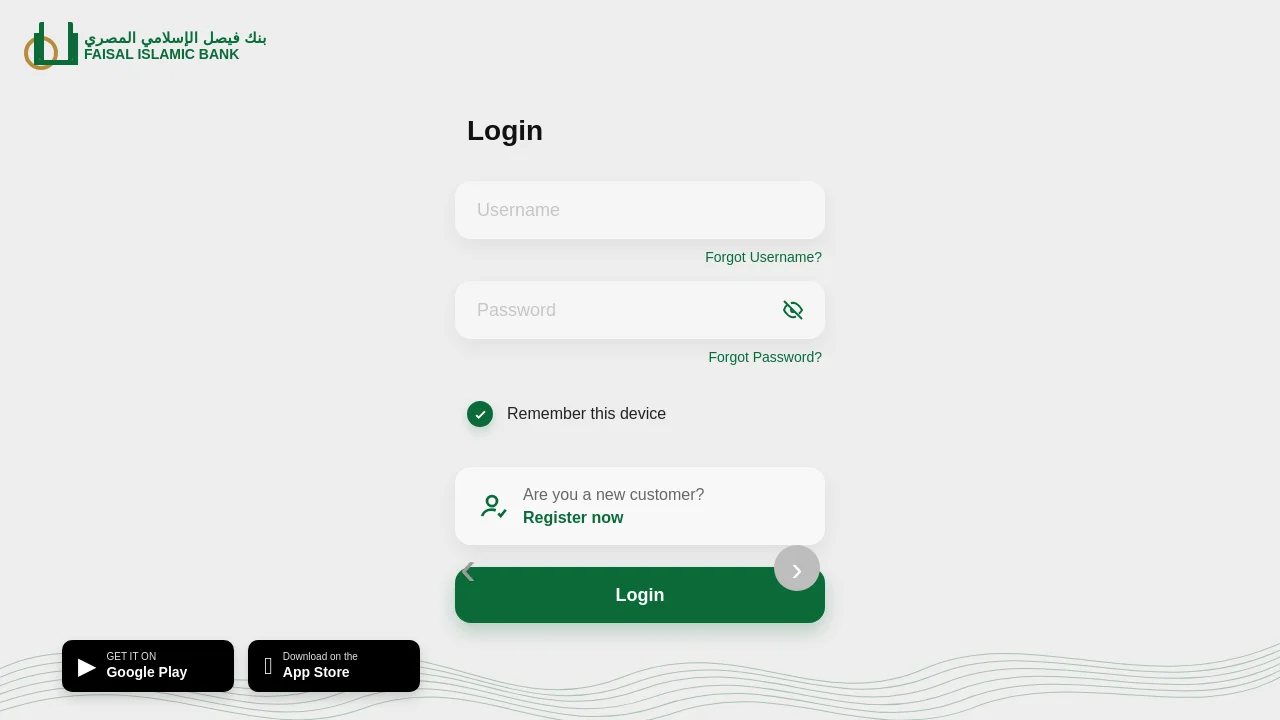
| Title: | Faisal Islamic Bank Login |
| Description: | No description found |
| ip_address | 172.67.213.70 |
| country | - |
| network_name | Cloudflare, Inc. |
| asn | AS13335 |
| ip_address | 104.21.93.174 |
| country | - |
| network_name | Cloudflare, Inc. |
| asn | AS13335 |
80/tcp | http | Cloudflare http proxy - |
443/tcp | https | cloudflare - |
2082/tcp | http | Cloudflare http proxy - |
2083/tcp | https | nginx - |
2086/tcp | http | Cloudflare http proxy - |
2087/tcp | https | nginx - |
8080/tcp | http | Cloudflare http proxy - |
8443/tcp | http | cloudflare - |
| Software / Version | Category |
|---|---|
| HTTP/3 | Miscellaneous |
| PHP 8.2.12 | Programming languages |
| Cloudflare | CDN |
Web Application Vulnerabilities
Evidence
| CVE | CVSS | EPSS Score | EPSS Percentile | Summary |
|---|---|---|---|---|
| CVE-2024-8932 | 9.8 | 0.00377 | 0.5928 | In PHP versions 8.1.* before 8.1.31, 8.2.* before 8.2.26, 8.3.* before 8.3.14, uncontrolled long string inputs to ldap_escape() function on 32-bit systems can cause an integer overflow, resulting in an out-of-bounds write. |
| CVE-2024-4577 | 9.8 | 0.94374 | 0.99966 | In PHP versions 8.1.* before 8.1.29, 8.2.* before 8.2.20, 8.3.* before 8.3.8, when using Apache and PHP-CGI on Windows, if the system is set up to use certain code pages, Windows may use "Best-Fit" behavior to replace characters in command line given to Win32 API functions. PHP CGI module may misinterpret those characters as PHP options, which may allow a malicious user to pass options to PHP binary being run, and thus reveal the source code of scripts, run arbitrary PHP code on the server, etc. |
| CVE-2024-11236 | 9.8 | 0.00443 | 0.63391 | In PHP versions 8.1.* before 8.1.31, 8.2.* before 8.2.26, 8.3.* before 8.3.14, uncontrolled long string inputs to ldap_escape() function on 32-bit systems can cause an integer overflow, resulting in an out-of-bounds write. |
| CVE-2024-1874 | 9.4 | 0.63376 | 0.98412 | In PHP versions 8.1.* before 8.1.28, 8.2.* before 8.2.18, 8.3.* before 8.3.5, when using proc_open() command with array syntax, due to insufficient escaping, if the arguments of the executed command are controlled by a malicious user, the user can supply arguments that would execute arbitrary commands in Windows shell. |
| CVE-2025-14180 | 8.2 | 0.00034 | 0.10018 | In PHP versions 8.1.* before 8.1.34, 8.2.* before 8.2.30, 8.3.* before 8.3.29, 8.4.* before 8.4.16, 8.5.* before 8.5.1 when using the PDO PostgreSQL driver with PDO::ATTR_EMULATE_PREPARES enabled, an invalid character sequence (such as \x99) in a prepared statement parameter may cause the quoting function PQescapeStringConn to return NULL, leading to a null pointer dereference in pdo_parse_params() function. This may lead to crashes (segmentation fault) and affect the availability of the target server. |
Vulnerability description
Outdated or vulnerable software components include versions of server-side software that are no longer supported or have known, publicly disclosed vulnerabilities. Using outdated software significantly increases the attack surface of a system and may allow unauthorized access, data leaks, or service disruptions. Vulnerabilities in these components are often well-documented and actively exploited by attackers. Without security patches or vendor support, any weaknesses remain unmitigated, exposing the application to risks. In some cases, even after patching, the reported version may remain unchanged, requiring manual verification.
Risk description
The risk is that an attacker could search for an appropriate exploit (or create one himself) for any of these vulnerabilities and use it to attack the system. Since the vulnerabilities were discovered using only version-based testing, the risk level for this finding will not exceed 'high' severity. Critical risks will be assigned to vulnerabilities identified through accurate active testing methods.
Recommendation
In order to eliminate the risk of these vulnerabilities, we recommend you check the installed software version and upgrade to the latest version.
Classification
| CWE | CWE-1035 |
| OWASP Top 10 - 2017 | |
| OWASP Top 10 - 2021 |
Evidence
| URL | Response URL | Evidence |
|---|---|---|
| http://www.trama.best/ | http://www.trama.best/ | Communication is made over unsecure, unencrypted HTTP. |
Vulnerability description
We noticed that the communication between the web browser and the server is done using the HTTP protocol, which transmits data unencrypted over the network.
Risk description
The risk is that an attacker who manages to intercept the communication at the network level can read and modify the data transmitted (including passwords, secret tokens, credit card information and other sensitive data).
Recommendation
We recommend you to reconfigure the web server to use HTTPS - which encrypts the communication between the web browser and the server.
Classification
| CWE | CWE-319 |
| OWASP Top 10 - 2017 | |
| OWASP Top 10 - 2021 |
Evidence
| URL | Evidence |
|---|---|
| http://www.trama.best/ | Password input detected over insecure HTTP. Login form: ` |
Vulnerability description
We found that passwords are transmitted over a network without encryption. When users submit their passwords through an application or system, the lack of encryption means that the sensitive information is transmitted in plaintext, making it susceptible to interception and unauthorized access.
Risk description
The risk is that malicious actors could employ various techniques, such as packet sniffing or man-in-the-middle attacks, to capture plaintext passwords. Once intercepted, the attacker gains unauthorized access to user accounts, potentially leading to identity theft, unauthorized data access, or other malicious activities. The risk remains unchanged even if the password's form submission triggers a redirect response to an HTTPS page.
Recommendation
We recommend you to reconfigure the web server so it uses HTTPS - which encrypts the communication between the web browser and the server. This way, the attacker will not be able to obtain the clear-text passwords, even though he manages to intercept the network communication.
Classification
| CWE | CWE-523 |
| OWASP Top 10 - 2017 | |
| OWASP Top 10 - 2021 |
Evidence
| URL | Evidence |
|---|---|
| http://www.trama.best/ | Response headers do not include the Referrer-Policy HTTP security header as well as the |
Vulnerability description
We noticed that the target application's server responses lack the Referrer-Policy HTTP header, which controls how much referrer information the browser will send with each request originated from the current web application.
Risk description
The risk is that if a user visits a web page (e.g. "http://example.com/pricing/") and clicks on a link from that page going to e.g. "https://www.google.com", the browser will send to Google the full originating URL in the `Referer` header, assuming the Referrer-Policy header is not set. The originating URL could be considered sensitive information and it could be used for user tracking.
Recommendation
The Referrer-Policy header should be configured on the server side to avoid user tracking and inadvertent information leakage. The value `no-referrer` of this header instructs the browser to omit the Referer header entirely.
Classification
| CWE | CWE-693 |
| OWASP Top 10 - 2017 | |
| OWASP Top 10 - 2021 |
Evidence
| URL | Evidence |
|---|---|
| http://www.trama.best/ | Response does not include the HTTP Content-Security-Policy security header or meta tag |
Vulnerability description
We noticed that the target application lacks the Content-Security-Policy (CSP) header in its HTTP responses. The CSP header is a security measure that instructs web browsers to enforce specific security rules, effectively preventing the exploitation of Cross-Site Scripting (XSS) vulnerabilities.
Risk description
The risk is that if the target application is vulnerable to XSS, lack of this header makes it easily exploitable by attackers.
Recommendation
Configure the Content-Security-Header to be sent with each HTTP response in order to apply the specific policies needed by the application.
Classification
| CWE | CWE-1021 |
| OWASP Top 10 - 2017 | |
| OWASP Top 10 - 2021 |
Evidence
Vulnerability description
We found the robots.txt on the target server. This file instructs web crawlers what URLs and endpoints of the web application they can visit and crawl. Website administrators often misuse this file while attempting to hide some web pages from the users.
Risk description
There is no particular security risk in having a robots.txt file. However, it's important to note that adding endpoints in it should not be considered a security measure, as this file can be directly accessed and read by anyone.
Recommendation
We recommend you to manually review the entries from robots.txt and remove the ones which lead to sensitive locations in the website (ex. administration panels, configuration files, etc).
Evidence
| URL | Evidence |
|---|---|
| http://www.trama.best/ | Response headers do not include the X-Content-Type-Options HTTP security header |
Vulnerability description
We noticed that the target application's server responses lack the X-Content-Type-Options header. This header is particularly important for preventing Internet Explorer from reinterpreting the content of a web page (MIME-sniffing) and thus overriding the value of the Content-Type header.
Risk description
The risk is that lack of this header could make possible attacks such as Cross-Site Scripting or phishing in Internet Explorer browsers.
Recommendation
We recommend setting the X-Content-Type-Options header such as `X-Content-Type-Options: nosniff`.
Classification
| CWE | CWE-693 |
| OWASP Top 10 - 2017 | |
| OWASP Top 10 - 2021 |
Evidence
| Software / Version | Category |
|---|---|
| HTTP/3 | Miscellaneous |
| PHP 8.2.12 | Programming languages |
| Cloudflare | CDN |
Vulnerability description
We noticed that server software and technology details are exposed, potentially aiding attackers in tailoring specific exploits against identified systems and versions.
Risk description
The risk is that an attacker could use this information to mount specific attacks against the identified software type and version.
Recommendation
We recommend you to eliminate the information which permits the identification of software platform, technology, server and operating system: HTTP server headers, HTML meta information, etc.
Classification
| CWE | CWE-200 |
| OWASP Top 10 - 2017 | |
| OWASP Top 10 - 2021 |
Evidence
| URL | Method | Parameters | Evidence |
|---|---|---|---|
| http://www.trama.best/ | GET | Headers: User-Agent=Mozilla/5.0 (Windows NT 10.0; Win64; x64) AppleWebKit/537.36 (KHTML, like Gecko) Chrome/108.0.0.0 Safari/537.36 | The following form sends inputs of type password plainly in the URL: |
Vulnerability description
We found a form which is submitted using a GET method and has inputs of the type password. The end result is that passwords are submitted in URLs.
Risk description
Passwords submitted in URLs have a higher chance of being leaked. The main reason is that URLs can be leaked in browser cross-site requests via the Referer header. Additionally, URLs are usually stored in all kinds of logs. If any access or error logs of the server were publicly accessible, an attacker could also harvest password from it.
Recommendation
You should submit passwords using POST rather than GET. This way sensitive data won't be shared to other locations via URLs.
Classification
| CWE | CWE-598 |
| OWASP Top 10 - 2017 | |
| OWASP Top 10 - 2021 |
Vulnerability description
We have noticed that the server is missing the security.txt file, which is considered a good practice for web security. It provides a standardized way for security researchers and the public to report security vulnerabilities or concerns by outlining the preferred method of contact and reporting procedures.
Risk description
There is no particular risk in not having a security.txt file for your server. However, this file is important because it offers a designated channel for reporting vulnerabilities and security issues.
Recommendation
We recommend you to implement the security.txt file according to the standard, in order to allow researchers or users report any security issues they find, improving the defensive mechanisms of your server.
Classification
| CWE | CWE-1188 |
| OWASP Top 10 - 2017 | |
| OWASP Top 10 - 2021 |
Infrastructure Vulnerabilities
Evidence
| CVE | CVSS | EPSS Score | EPSS Percentile | CISA KEV | Summary |
|---|---|---|---|---|---|
| CVE-2024-8932 | 9.8 | 0.00377 | 0.5928 | No | In PHP versions 8.1.* before 8.1.31, 8.2.* before 8.2.26, 8.3.* before 8.3.14, uncontrolled long string inputs to ldap_escape() function on 32-bit systems can cause an integer overflow, resulting in an out-of-bounds write. |
| CVE-2024-4577 | 9.8 | 0.94374 | 0.99966 | Yes | In PHP versions 8.1.* before 8.1.29, 8.2.* before 8.2.20, 8.3.* before 8.3.8, when using Apache and PHP-CGI on Windows, if the system is set up to use certain code pages, Windows may use "Best-Fit" behavior to replace characters in command line given to Win32 API functions. PHP CGI module may misinterpret those characters as PHP options, which may allow a malicious user to pass options to PHP binary being run, and thus reveal the source code of scripts, run arbitrary PHP code on the server, etc. |
| CVE-2024-11236 | 9.8 | 0.00443 | 0.63391 | No | In PHP versions 8.1.* before 8.1.31, 8.2.* before 8.2.26, 8.3.* before 8.3.14, uncontrolled long string inputs to ldap_escape() function on 32-bit systems can cause an integer overflow, resulting in an out-of-bounds write. |
| CVE-2024-1874 | 9.4 | 0.63376 | 0.98412 | No | In PHP versions 8.1.* before 8.1.28, 8.2.* before 8.2.18, 8.3.* before 8.3.5, when using proc_open() command with array syntax, due to insufficient escaping, if the arguments of the executed command are controlled by a malicious user, the user can supply arguments that would execute arbitrary commands in Windows shell. |
| CVE-2025-14180 | 8.2 | 0.00034 | 0.10018 | No | In PHP versions 8.1.* before 8.1.34, 8.2.* before 8.2.30, 8.3.* before 8.3.29, 8.4.* before 8.4.16, 8.5.* before 8.5.1 when using the PDO PostgreSQL driver with PDO::ATTR_EMULATE_PREPARES enabled, an invalid character sequence (such as \x99) in a prepared statement parameter may cause the quoting function PQescapeStringConn to return NULL, leading to a null pointer dereference in pdo_parse_params() function. This may lead to crashes (segmentation fault) and affect the availability of the target server. |
Vulnerability description
Vulnerabilities found for PHP 8.2.12
Risk description
These vulnerabilities expose the affected applications to the risk of unauthorized access to confidential data and possibly to denial of service attacks. An attacker could search for an appropriate exploit (or create one) for any of these vulnerabilities and use it to attack the system. Notes: - The vulnerabilities are identified based on the server's version.; - Only the first 5 vulnerabilities with the highest risk are shown for each port.; Since the vulnerabilities were discovered using only version-based testing, the risk level for this finding will not exceed "high" severity. Critical risks will be assigned to vulnerabilities identified through accurate active testing methods.
Recommendation
We recommend you to upgrade the affected software to the latest version in order to eliminate the risks imposed by these vulnerabilities.
Evidence
| CVE | CVSS | EPSS Score | EPSS Percentile | CISA KEV | Summary |
|---|---|---|---|---|---|
| CVE-2024-8932 | 9.8 | 0.00377 | 0.5928 | No | In PHP versions 8.1.* before 8.1.31, 8.2.* before 8.2.26, 8.3.* before 8.3.14, uncontrolled long string inputs to ldap_escape() function on 32-bit systems can cause an integer overflow, resulting in an out-of-bounds write. |
| CVE-2024-4577 | 9.8 | 0.94374 | 0.99966 | Yes | In PHP versions 8.1.* before 8.1.29, 8.2.* before 8.2.20, 8.3.* before 8.3.8, when using Apache and PHP-CGI on Windows, if the system is set up to use certain code pages, Windows may use "Best-Fit" behavior to replace characters in command line given to Win32 API functions. PHP CGI module may misinterpret those characters as PHP options, which may allow a malicious user to pass options to PHP binary being run, and thus reveal the source code of scripts, run arbitrary PHP code on the server, etc. |
| CVE-2024-11236 | 9.8 | 0.00443 | 0.63391 | No | In PHP versions 8.1.* before 8.1.31, 8.2.* before 8.2.26, 8.3.* before 8.3.14, uncontrolled long string inputs to ldap_escape() function on 32-bit systems can cause an integer overflow, resulting in an out-of-bounds write. |
| CVE-2024-1874 | 9.4 | 0.63376 | 0.98412 | No | In PHP versions 8.1.* before 8.1.28, 8.2.* before 8.2.18, 8.3.* before 8.3.5, when using proc_open() command with array syntax, due to insufficient escaping, if the arguments of the executed command are controlled by a malicious user, the user can supply arguments that would execute arbitrary commands in Windows shell. |
| CVE-2025-14180 | 8.2 | 0.00034 | 0.10018 | No | In PHP versions 8.1.* before 8.1.34, 8.2.* before 8.2.30, 8.3.* before 8.3.29, 8.4.* before 8.4.16, 8.5.* before 8.5.1 when using the PDO PostgreSQL driver with PDO::ATTR_EMULATE_PREPARES enabled, an invalid character sequence (such as \x99) in a prepared statement parameter may cause the quoting function PQescapeStringConn to return NULL, leading to a null pointer dereference in pdo_parse_params() function. This may lead to crashes (segmentation fault) and affect the availability of the target server. |
Vulnerability description
Vulnerabilities found for PHP 8.2.12
Risk description
These vulnerabilities expose the affected applications to the risk of unauthorized access to confidential data and possibly to denial of service attacks. An attacker could search for an appropriate exploit (or create one) for any of these vulnerabilities and use it to attack the system. Notes: - The vulnerabilities are identified based on the server's version.; - Only the first 5 vulnerabilities with the highest risk are shown for each port.; Since the vulnerabilities were discovered using only version-based testing, the risk level for this finding will not exceed "high" severity. Critical risks will be assigned to vulnerabilities identified through accurate active testing methods.
Recommendation
We recommend you to upgrade the affected software to the latest version in order to eliminate the risks imposed by these vulnerabilities.
Evidence
| Software / Version | Category |
|---|---|
| Cloudflare | CDN |
| HTTP/3 | Miscellaneous |
Vulnerability description
We noticed that server software and technology details are exposed, potentially aiding attackers in tailoring specific exploits against identified systems and versions.
Risk description
The risk is that an attacker could use this information to mount specific attacks against the identified software type and version.
Recommendation
We recommend you to eliminate the information which permits the identification of software platform, technology, server and operating system: HTTP server headers, HTML meta information, etc.
Evidence
| Software / Version | Category |
|---|---|
| Cloudflare | CDN |
| HTTP/3 | Miscellaneous |
Vulnerability description
We noticed that server software and technology details are exposed, potentially aiding attackers in tailoring specific exploits against identified systems and versions.
Risk description
The risk is that an attacker could use this information to mount specific attacks against the identified software type and version.
Recommendation
We recommend you to eliminate the information which permits the identification of software platform, technology, server and operating system: HTTP server headers, HTML meta information, etc.
Evidence
| Software / Version | Category |
|---|---|
| PHP 8.2.12 | Programming languages |
| Cloudflare | CDN |
| HTTP/3 | Miscellaneous |
Vulnerability description
We noticed that server software and technology details are exposed, potentially aiding attackers in tailoring specific exploits against identified systems and versions.
Risk description
The risk is that an attacker could use this information to mount specific attacks against the identified software type and version.
Recommendation
We recommend you to eliminate the information which permits the identification of software platform, technology, server and operating system: HTTP server headers, HTML meta information, etc.
Evidence
| Software / Version | Category |
|---|---|
| Cloudflare | CDN |
| HTTP/3 | Miscellaneous |
Vulnerability description
We noticed that server software and technology details are exposed, potentially aiding attackers in tailoring specific exploits against identified systems and versions.
Risk description
The risk is that an attacker could use this information to mount specific attacks against the identified software type and version.
Recommendation
We recommend you to eliminate the information which permits the identification of software platform, technology, server and operating system: HTTP server headers, HTML meta information, etc.
Evidence
| Operating System | Accuracy |
|---|---|
| Android 6.0 - 7.1.2 (Linux 3.18 - 4.4.1) | 87% |
Vulnerability description
OS Detection
Evidence
| Domain Queried | DNS Record Type | Description | Value |
|---|---|---|---|
| www.trama.best | A | IPv4 address | 172.67.213.70 |
| www.trama.best | A | IPv4 address | 104.21.93.174 |
| www.trama.best | AAAA | IPv6 address | 2606:4700:3031::6815:5dae |
| www.trama.best | AAAA | IPv6 address | 2606:4700:3030::ac43:d546 |
Risk description
An initial step for an attacker aiming to learn about an organization involves conducting searches on its domain names to uncover DNS records associated with the organization. This strategy aims to amass comprehensive insights into the target domain, enabling the attacker to outline the organization's external digital landscape. This gathered intelligence may subsequently serve as a foundation for launching attacks, including those based on social engineering techniques. DNS records pointing to services or servers that are no longer in use can provide an attacker with an easy entry point into the network.
Recommendation
We recommend reviewing all DNS records associated with the domain and identifying and removing unused or obsolete records.
Evidence
| Software / Version | Category |
|---|---|
| Cloudflare | CDN |
| HTTP/3 | Miscellaneous |
Vulnerability description
We noticed that server software and technology details are exposed, potentially aiding attackers in tailoring specific exploits against identified systems and versions.
Risk description
The risk is that an attacker could use this information to mount specific attacks against the identified software type and version.
Recommendation
We recommend you to eliminate the information which permits the identification of software platform, technology, server and operating system: HTTP server headers, HTML meta information, etc.
Evidence
| Software / Version | Category |
|---|---|
| PHP 8.2.12 | Programming languages |
| Cloudflare | CDN |
| HTTP/3 | Miscellaneous |
Vulnerability description
We noticed that server software and technology details are exposed, potentially aiding attackers in tailoring specific exploits against identified systems and versions.
Risk description
The risk is that an attacker could use this information to mount specific attacks against the identified software type and version.
Recommendation
We recommend you to eliminate the information which permits the identification of software platform, technology, server and operating system: HTTP server headers, HTML meta information, etc.
Evidence
| Software / Version | Category |
|---|---|
| Cloudflare | CDN |
| HTTP/3 | Miscellaneous |
Vulnerability description
We noticed that server software and technology details are exposed, potentially aiding attackers in tailoring specific exploits against identified systems and versions.
Risk description
The risk is that an attacker could use this information to mount specific attacks against the identified software type and version.
Recommendation
We recommend you to eliminate the information which permits the identification of software platform, technology, server and operating system: HTTP server headers, HTML meta information, etc.
Evidence
| Software / Version | Category |
|---|---|
| Cloudflare | CDN |
| HTTP/3 | Miscellaneous |
Vulnerability description
We noticed that server software and technology details are exposed, potentially aiding attackers in tailoring specific exploits against identified systems and versions.
Risk description
The risk is that an attacker could use this information to mount specific attacks against the identified software type and version.
Recommendation
We recommend you to eliminate the information which permits the identification of software platform, technology, server and operating system: HTTP server headers, HTML meta information, etc.